Shifts in Player Retention Through Tiered Loyalty Structures in Portable Wagering Apps
Written by Devon Bennett · Aug 25, 2026
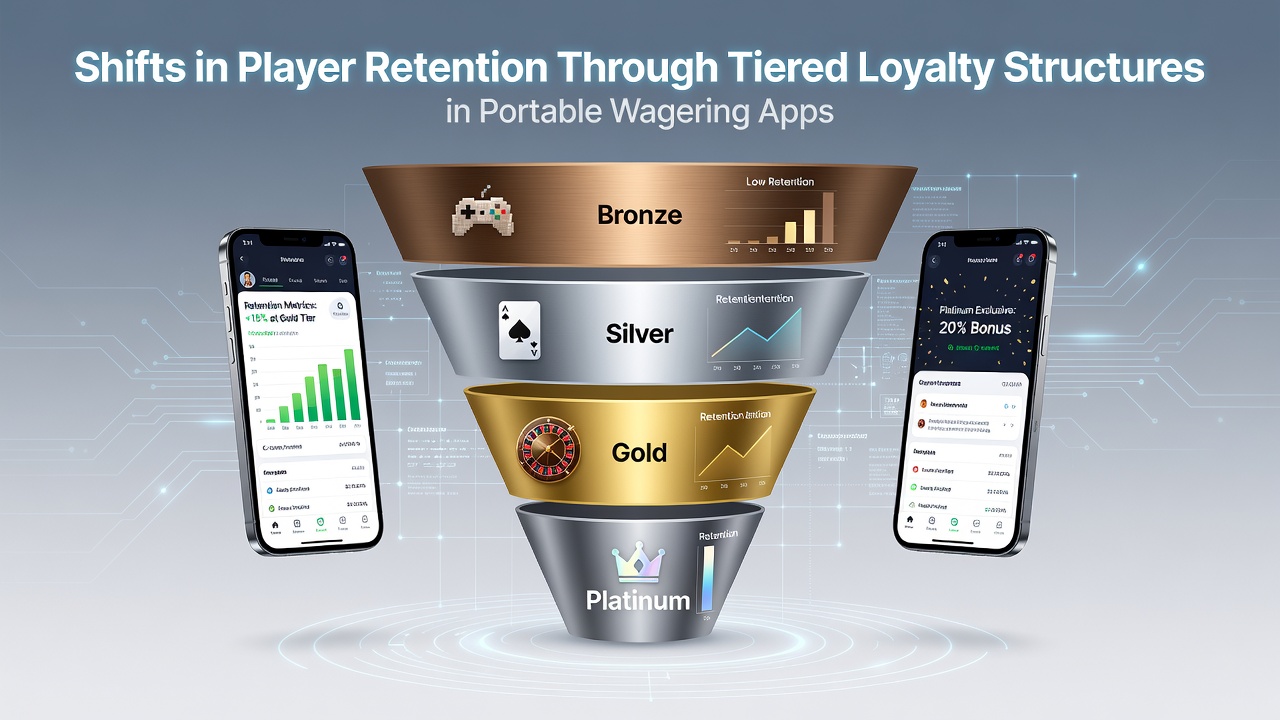
Shifts in Player Retention Through Tiered Loyalty Structures in Portable Wagering Apps
Portable wagering apps have incorporated tiered loyalty structures that assign users to progressive levels based on activity metrics such as deposit frequency, wager volume, and session duration, and these frameworks deliver escalating rewards including cashback percentages, exclusive event access, and personalized promotions that adjust dynamically as players advance. Research from the American Gaming Association shows that apps implementing five or more tiers recorded average retention increases of 28 percent over twelve-month periods ending in August 2026, whereas flat reward systems without progression maintained retention around 14 percent during the same interval.
Operators track tier advancement through integrated analytics platforms that monitor real-time data feeds from user accounts, and this approach allows automatic upgrades when thresholds are met while also triggering notifications that encourage continued participation to unlock subsequent benefits. Studies conducted by the University of Nevada Reno Gaming Research Center indicate that players in the top two tiers of such systems demonstrate session lengths extending 35 percent longer than those in entry-level brackets, with the gap widening further when reward visibility is highlighted through in-app dashboards.
Mechanics Behind Tier Progression and Reward Delivery
Tier systems typically operate on rolling qualification windows that reset quarterly or annually, and points accumulate from a combination of real-money wagers and ancillary actions like daily logins or referrals, yet the weighting favors consistent betting patterns over one-off large deposits in most documented implementations. Data compiled by the New Jersey Division of Gaming Enforcement reveals that apps using weighted point formulas saw 22 percent fewer account dormancies in the second half of 2025 compared with those relying on simple spend totals, and the same reports note higher re-engagement rates when expired points carry over at reduced values rather than vanishing entirely.
Automated personalization engines adjust reward types according to tier status, for instance granting higher cashback rates on specific game categories to mid-tier users while reserving tournament entries for premium members, and these tailored offerings correlate with measurable shifts in retention curves across multiple operator datasets. Observers note that transparency in point-earning rules plays a measurable role, since apps publishing clear progression tables experience lower support ticket volumes and sustained login streaks that extend beyond the initial acquisition phase.
Retention Metrics Across Different Market Regions
Comparative analysis of retention figures from North American and European operators highlights distinct responses to tier complexity, and Canadian provincial data aggregated by the Ontario Lottery and Gaming Corporation shows retention improvements of 31 percent in apps with visible milestone celebrations at tier boundaries. Meanwhile Australian market reports from the Australian Communications and Media Authority indicate that loyalty tiers emphasizing social features such as leaderboards and friend challenges produced retention uplifts concentrated among users aged 25 to 34, a demographic segment that historically exhibited higher churn in non-tiered environments.
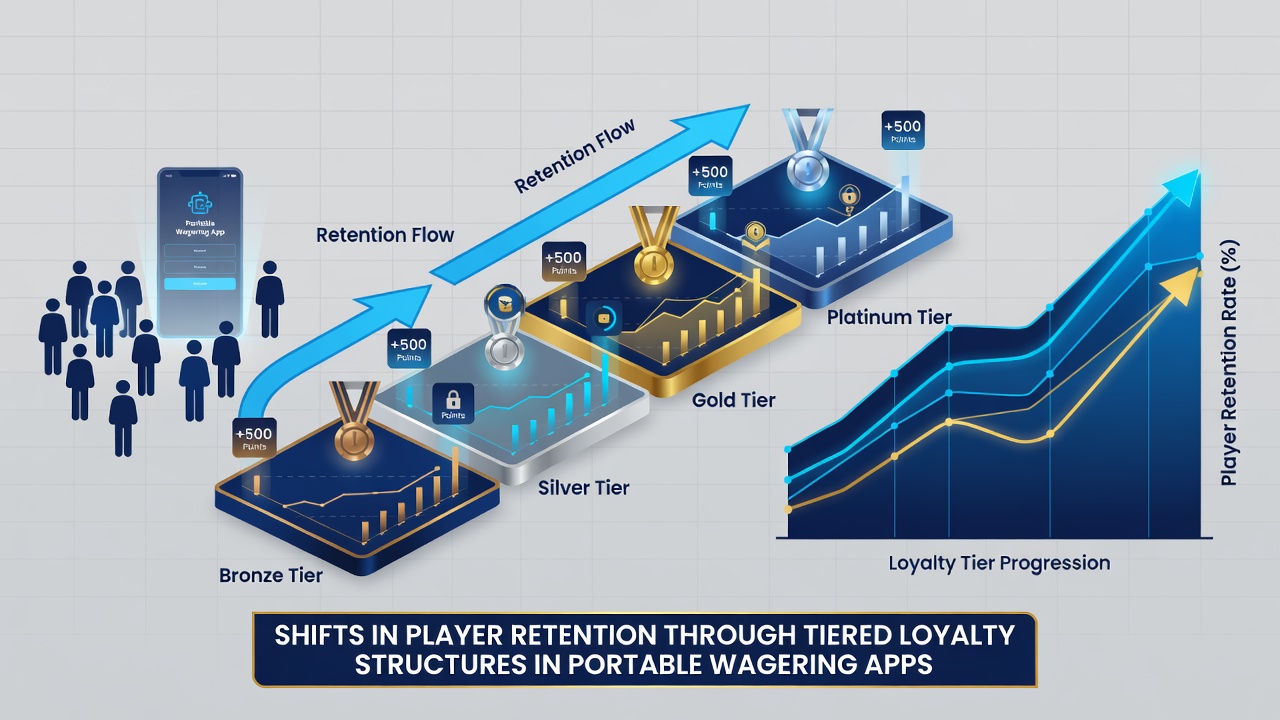
Cross-border operators managing portfolios in multiple jurisdictions report that localized tier adjustments, such as region-specific reward catalogs, further stabilize retention when regulatory limits on bonus values differ, and these adaptations have become more prevalent following policy updates implemented before August 2026. Figures from industry benchmarking services indicate that the average lifetime value per retained user rises 19 percent once the individual reaches the third tier or higher, with the increase driven primarily by elevated wager frequency rather than larger individual bet sizes.
Integration With Broader App Features and User Behavior Patterns
Many portable wagering platforms embed loyalty tiers within unified user profiles that also track responsible gaming settings and deposit limits, and this integration permits reward structures to align with harm-minimization tools without disrupting progression momentum. Research papers published by the International Centre for Gaming Research at the University of Malta document cases where tier benefits included optional cool-down incentives, such as bonus credits awarded after voluntary session pauses, resulting in retention rates that remained stable even among users who activated self-imposed restrictions.
Behavioral datasets collected during 2025 and early 2026 demonstrate that push notification strategies timed around tier anniversaries or near-miss qualification points generate measurable reactivation spikes, particularly when the messages reference exact remaining requirements rather than generic encouragement. Those who have examined these patterns across large user cohorts find that the effect diminishes if notifications exceed two per week, underscoring the value of calibrated communication cadences within the loyalty framework.
Conclusion
Evidence accumulated through regulatory filings, academic studies, and operator analytics demonstrates that tiered loyalty structures in portable wagering apps influence retention through progressive reward scaling, transparent progression mechanics, and integration with user behavior tracking. Retention gains appear most consistent when systems balance accessibility for new participants with meaningful differentiation at higher levels, and regional variations in implementation continue to shape outcomes as of August 2026. Continued monitoring by oversight bodies and research institutions will clarify how these frameworks evolve alongside technological and regulatory developments in mobile wagering environments.