The Hidden Architecture of Tiered Refund Systems in App-Based Gaming Environments
Written by Lars Lorenz · Aug 18, 2026
The Hidden Architecture of Tiered Refund Systems in App-Based Gaming Environments
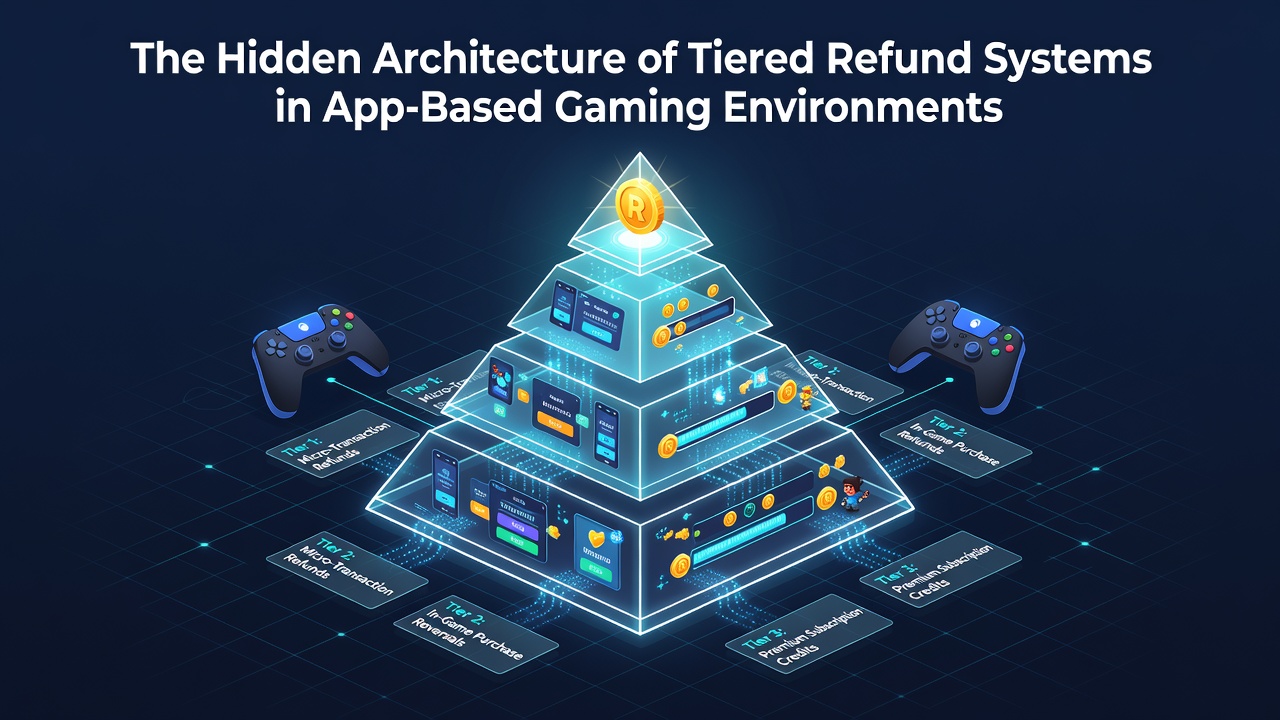
App-based gaming environments rely on complex backend structures that determine refund eligibility through multiple layers of data analysis and user classification. These tiered systems process requests based on factors including spending history, account age, and interaction patterns rather than applying uniform rules across all players. Developers integrate automated decision engines that categorize users into different priority levels, which then influence approval rates and processing speeds.
Core Components of Refund Architecture
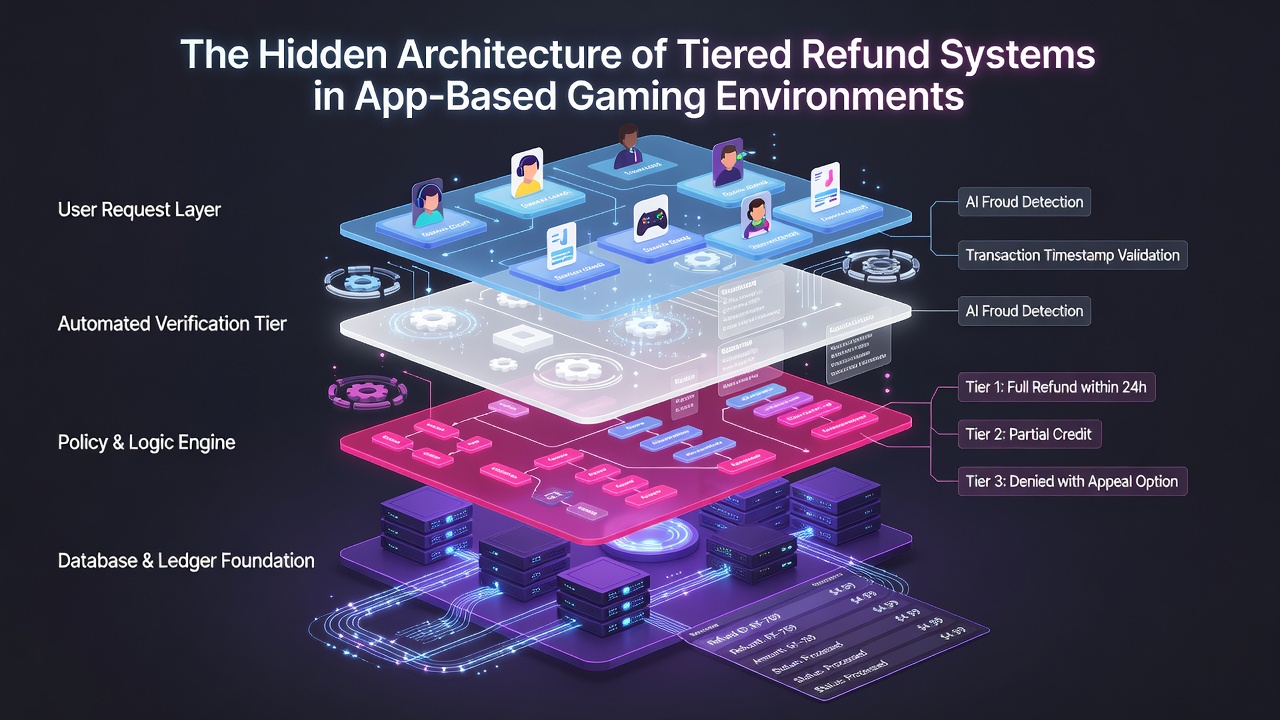
Refund mechanisms in mobile games operate through interconnected modules that pull data from payment processors, player databases, and behavioral analytics tools. One layer evaluates the transaction details such as purchase amount and time elapsed since the event, while another assesses the player's overall profile within the game's ecosystem. Researchers have documented how these components communicate through APIs that flag high-value accounts for manual review or expedited handling, and data from industry analyses shows that lower-tier users often encounter stricter automated filters before any human intervention occurs.
Payment gateways feed information directly into these systems, and game publishers configure thresholds that trigger different outcomes based on cumulative spend. For instance, accounts exceeding certain annual totals receive access to dedicated support channels, whereas casual players navigate self-service portals with limited options. Observers note that this structure emerged as studios scaled operations to handle millions of daily microtransactions, and the architecture allows real-time adjustments when patterns suggest potential abuse or policy changes.
Regional Regulatory Influences on System Design
Government agencies across different jurisdictions have shaped how these refund frameworks function by establishing consumer protection standards for digital purchases. The Federal Trade Commission in the United States outlines requirements for transparent refund disclosures in apps, which forces developers to embed clear policy language into their interfaces. In parallel, the Australian Competition and Consumer Commission has issued guidelines on unfair contract terms that affect how tiered eligibility criteria can be applied without violating local laws.
European Union directives on consumer rights add further constraints, requiring platforms to honor cooling-off periods in many cases while permitting exceptions for digital content once consumption begins. Developers adjust their algorithms accordingly, incorporating location-based rules that activate specific refund paths depending on where the account is registered. This geographic variation creates additional complexity in the hidden architecture because a single global game must maintain separate logic branches to remain compliant across markets.
Data-Driven Decision Trees and Player Segmentation
Behind the user-facing refund buttons sit decision trees that segment players according to metrics collected over months or years of activity. These trees weigh variables such as frequency of support contacts, average session length, and retention value against predefined refund budgets set by the publisher. Studies from academic institutions reveal that machine learning models continuously retrain on historical outcomes, which refines the accuracy of tier assignments and reduces manual overrides over time.
High-tier segments often benefit from faster resolutions because the system prioritizes retention of revenue-generating accounts, while entry-level users see delays or partial approvals more frequently. Yet the exact weighting formulas remain proprietary, and external audits have limited visibility into the internal parameters that govern these outcomes. In August 2026, platform updates from major app stores introduced enhanced reporting features that expose aggregate refund statistics without revealing individual decision logic, giving regulators and researchers broader insight into systemic patterns.
Integration with Broader Platform Policies
App stores maintain overarching rules that gaming titles must follow when implementing refund tiers, and these rules interact directly with each developer's custom architecture. Google Play and Apple App Store both provide standardized refund request pathways, yet they allow publishers to layer additional criteria on top through in-game systems. This dual structure means a player might receive an automatic denial from the store portal only to have the request reconsidered through the game's internal tiered support flow.
Industry reports from organizations such as the Interactive Games and Entertainment Association document how these integrations have evolved to balance consumer expectations with revenue protection. The result appears in the form of hybrid workflows where initial automated checks feed into escalated reviews for borderline cases, and the process scales efficiently across large user bases without proportional increases in support staff.
Conclusion
Tiered refund systems in app-based gaming continue to evolve through iterative refinements to their underlying data models and compliance modules. The architecture balances automated efficiency with regulatory demands across regions, while player segmentation determines the practical experience of each request. Ongoing platform enhancements and external oversight ensure these hidden structures adapt as transaction volumes and consumer protections shift in the digital marketplace.